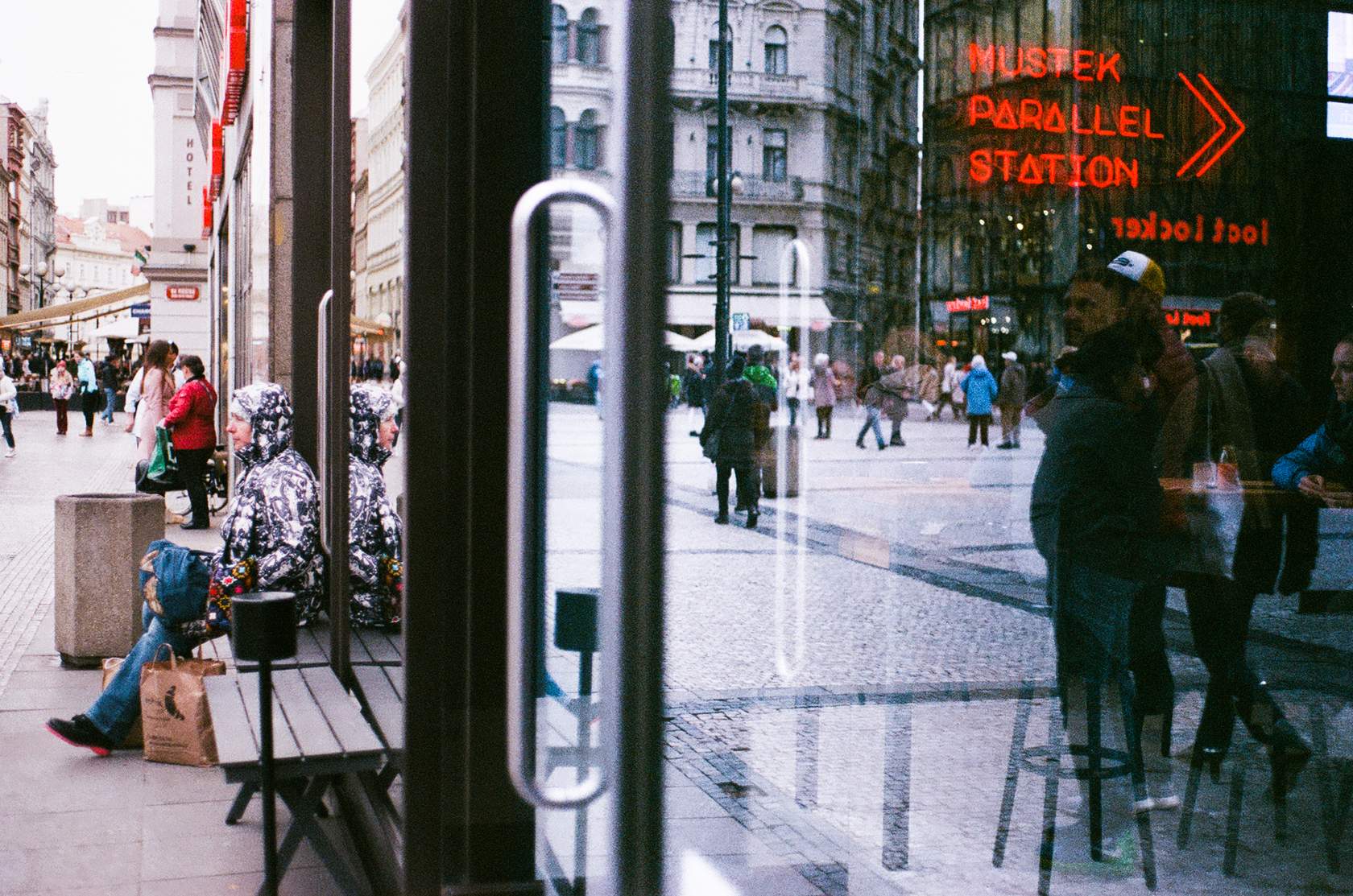
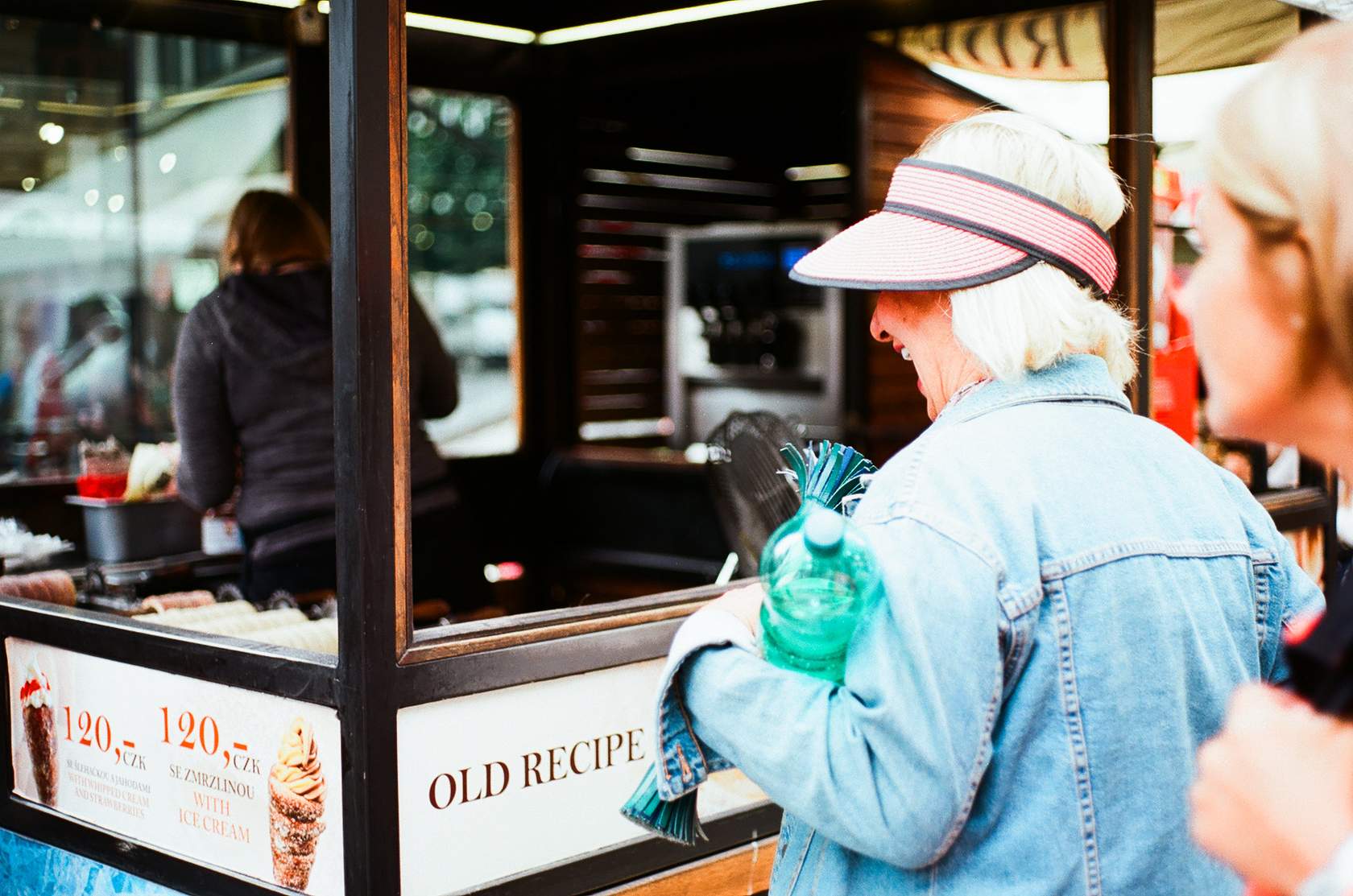
Visual Narrative
Listen to this lesson.
Not all photography is meant to tell a story. Sometimes an image is about form, color, or light alone. But in many genres, storytelling is central.
So what is visual narrative?
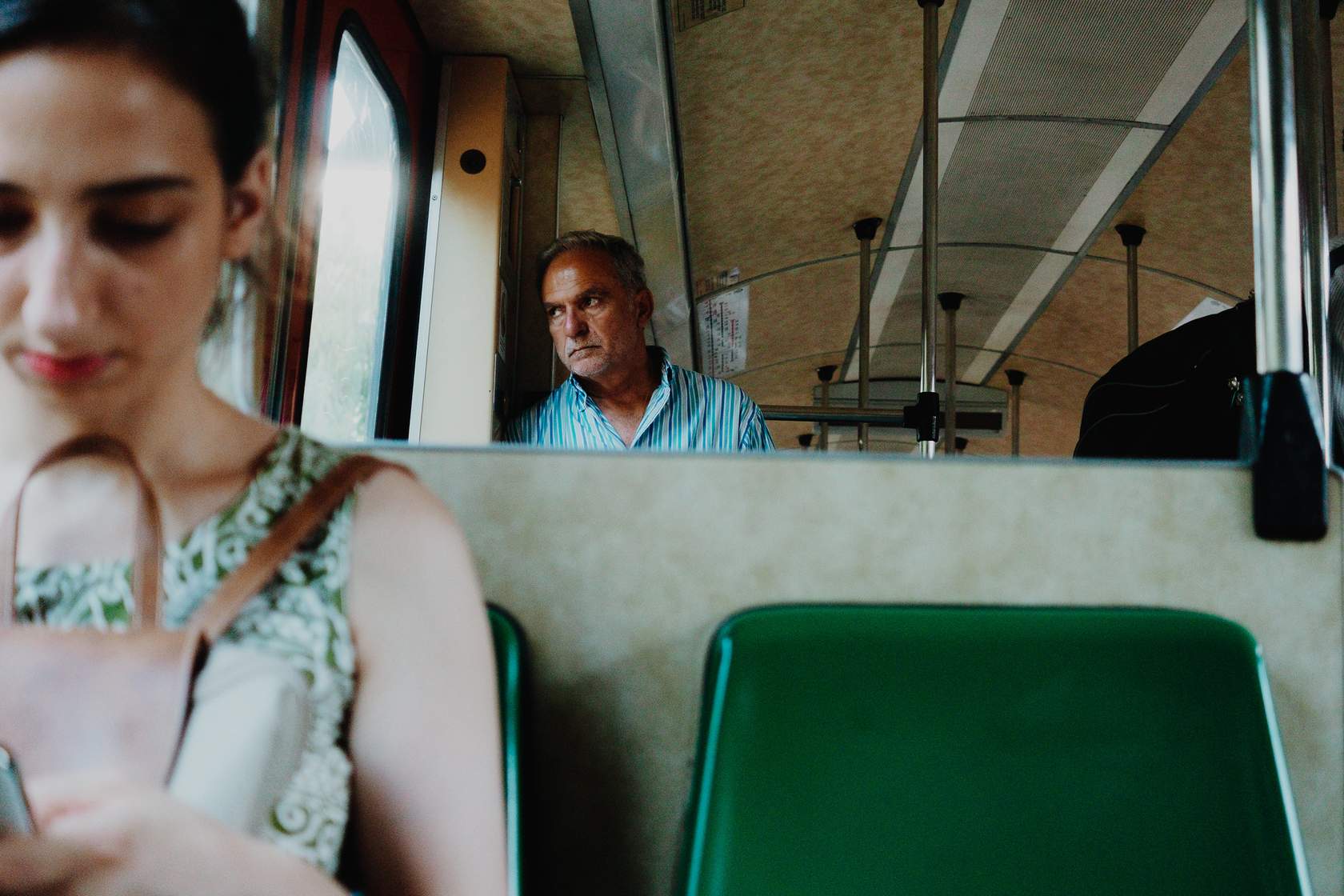
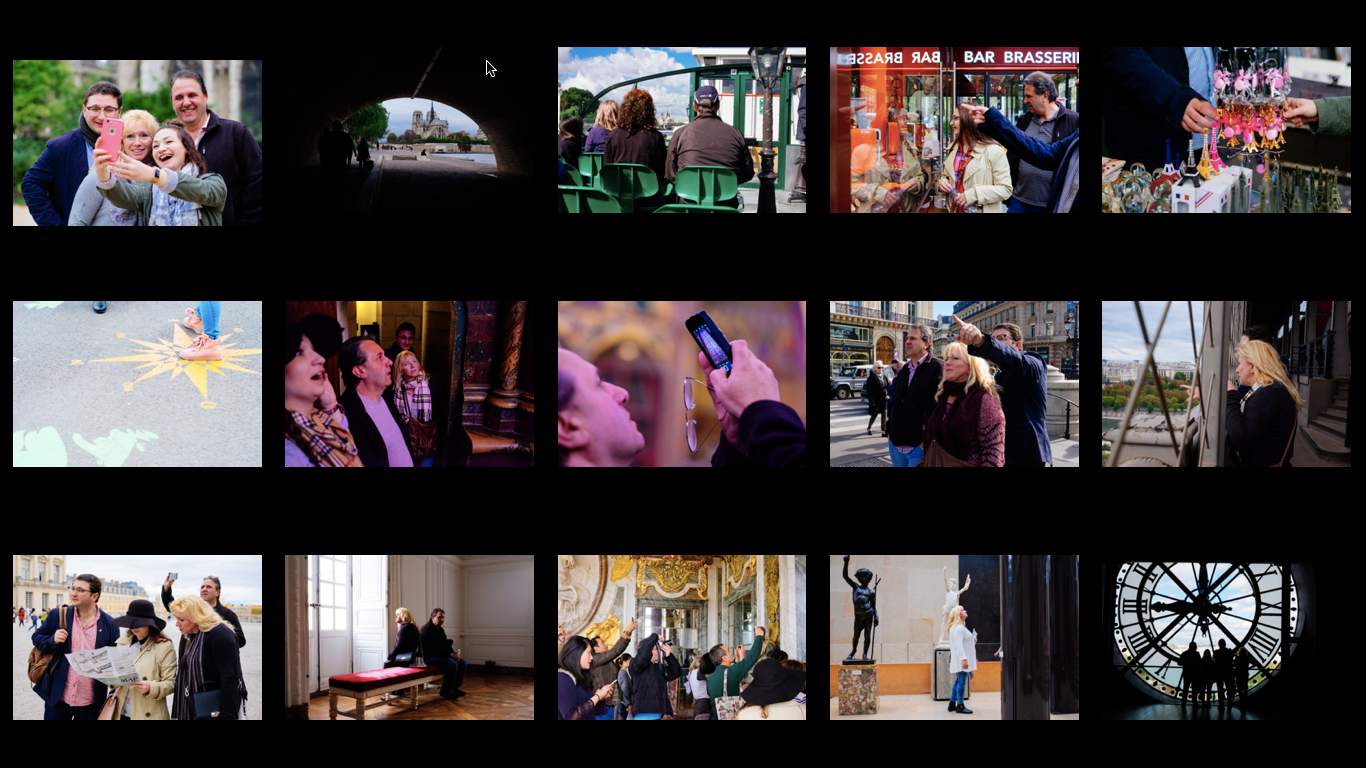
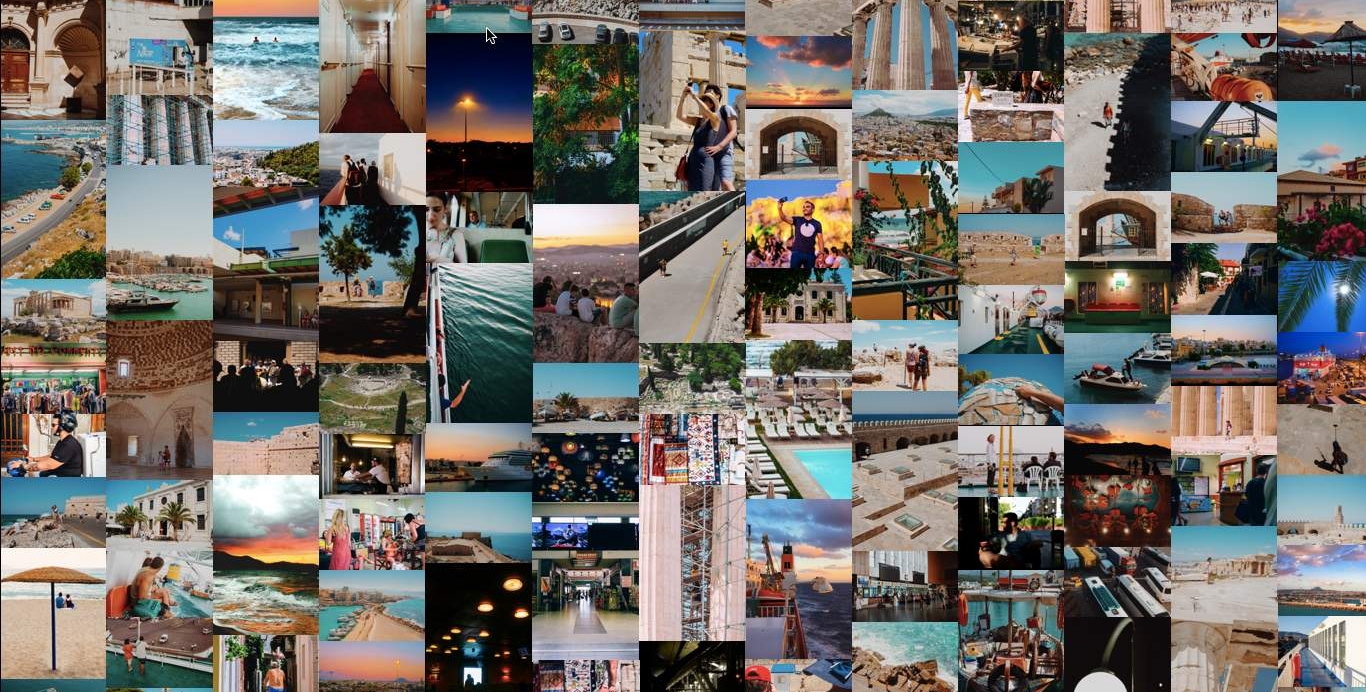
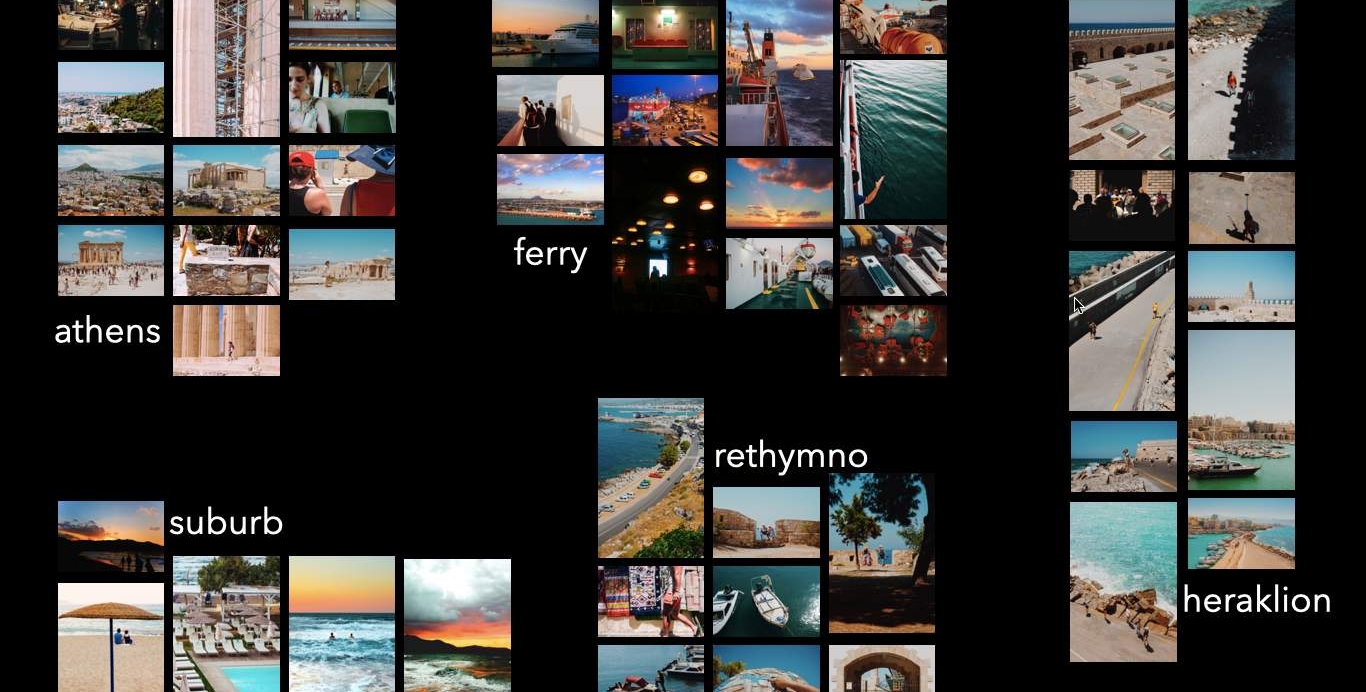
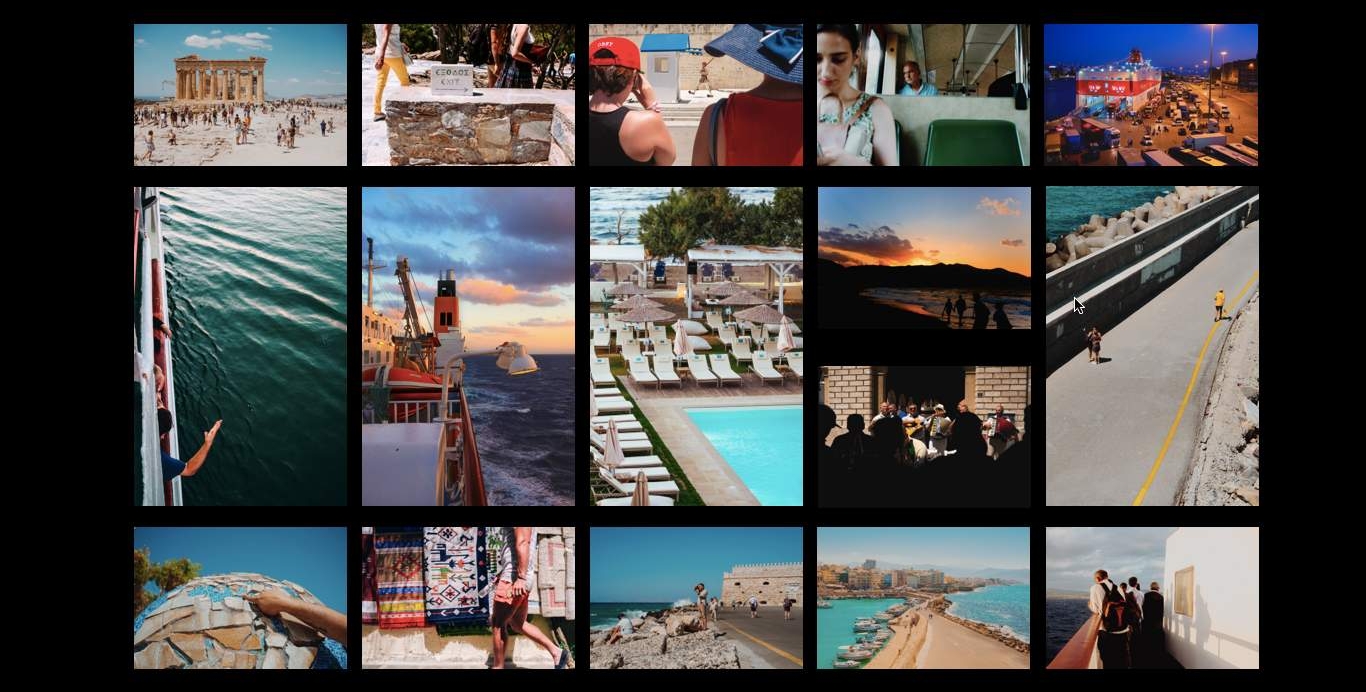
Visual narrative is the use of visual elements within a single image, or across a series of images, to suggest a story, context, or sequence of events without written explanation.
In this lesson, you’ll explore how:
A single image can imply a story.
A series of images can build one.
Techniques from film and television can strengthen your photographic storytelling.
Photography is one form of visual media. Film, painting, design, and photography all draw from the same visual theories. That means you can borrow ideas across mediums. Studying film can make you a stronger photographer. Looking at painting can sharpen your sense of composition. The tools overlap.
At the core of visual narrative is one principle: show, don’t tell.
Mise-en-scène
You may have heard the term mise-en-scène. It sounds complicated, but it is not.
Mise-en-scène simply means everything visible within the frame. In French, it translates to “putting in the scene.”
If you have heard the culinary term mise-en-place, meaning “put in place,” the idea is similar. Before cooking, everything is organized and intentional. In photography, everything in your frame should serve the story.
When you build a visual narrative, nothing in the frame is accidental.
For photography, we can break mise-en-scène into five categories:
Setting
Decor
Lighting
Depth of Space
Personal Style and Aesthetics
Setting
Setting refers to the environment in which a photo is taken. It includes everything that surrounds the subject.
If you photograph a flower, the setting is not just the flower. It is the garden, the soil, the surrounding landscape. A portrait in a city street communicates something very different from a portrait in a quiet forest.
Setting answers questions like:
Where is this happening?
When is this happening?
What season, time of day, or cultural context is implied?
Look closely at any image you are analyzing. What clues tell you the location? Are there recognizable landmarks? Language on signage? Clothing styles? Weather conditions? Light quality?
In the Prague river image, for example, visible landmarks such as Charles Bridge and the church on the hill provide geographic clues. Green trees and strong sunlight suggest summer. The setting immediately frames the narrative before you even focus on a subject.
Decor
Decor refers to the visual elements within the scene that contribute to atmosphere and meaning. These may include furniture, objects, textures, signage, or color palettes.
In a portrait, decor might include a specific backdrop, props, or environmental details that reinforce who the subject is.
Consider the grocery store image taken during early COVID in the Czech Republic. What clues shape the narrative?
The conveyor belt and packaged food suggest a grocery setting.
Czech language signage establishes location.
Face masks and gloves signal the time period.
Decor often carries cultural and temporal information. It grounds the image in reality.
When you look at your own work, ask: are the objects in the frame helping clarify the story, or distracting from it?
Lighting
Lighting shapes mood faster than almost anything else.
Just as a writer uses tone to influence emotion, you use light to guide interpretation.
Harsh light can feel tense, exposed, or hot. Soft light can feel calm or intimate. High contrast may suggest drama. Even lighting may feel neutral or documentary.
In the river scene, warm, directional light from the right suggests late afternoon. The long shadows and golden tones reinforce the feeling of a warm summer day.
Now imagine the same scene photographed at midday. The shadows would be shorter and harsher. The mood might feel flatter, more clinical. In early morning light, the atmosphere might feel quiet and reflective.
Light does not just illuminate. It communicates.
Depth of Space
When you frame a scene, you are deciding what the viewer experiences. What do they see first? What do they see behind it? What do they not see at all?
Depth of space refers to how elements are layered in the frame to create dimensionality and immersion.
In film, a common technique is the over the shoulder shot. The camera looks past one person to focus on another. This layering makes the viewer feel physically present.
The same applies in photography.
In the market image, the over the shoulder perspective pulls you into the scene. You are not observing from a distance. You are inside it. The layered figures create a sense of crowd density and activity.
If the image were taken from farther away, the emotional distance would increase. The market might feel less immersive, less immediate.
Layering invites the viewer in.
Personal Style and Aesthetics
Personal style can feel intimidating. You may wonder if you have one yet.
Two important things to remember:
Personal style evolves.
Personal style is not only yours. It can also belong to your subject.
Style is not defined by presets, color grading, or subject matter alone. It emerges over time through repeated choices. The angles you favor. The lighting you seek out. The compositions you return to again and again.
Consider the evolution of Vincent van Gogh.
His early and later works differ dramatically in technique and color intensity. Yet certain themes, such as architecture and rural life, persist. You can trace growth without losing identity.
The same is true for Mark Rothko.
His early figurative work appears very different from his later color field paintings. But look closely at the structural simplification and strong vertical lines in the earlier image. You can see the seeds of what would later define his style.
When analyzing your own work, ask yourself:
Do I favor certain lighting conditions?
Do I often use strong foreground elements?
Do I consistently shoot from a particular perspective?
Patterns reveal themselves over time.
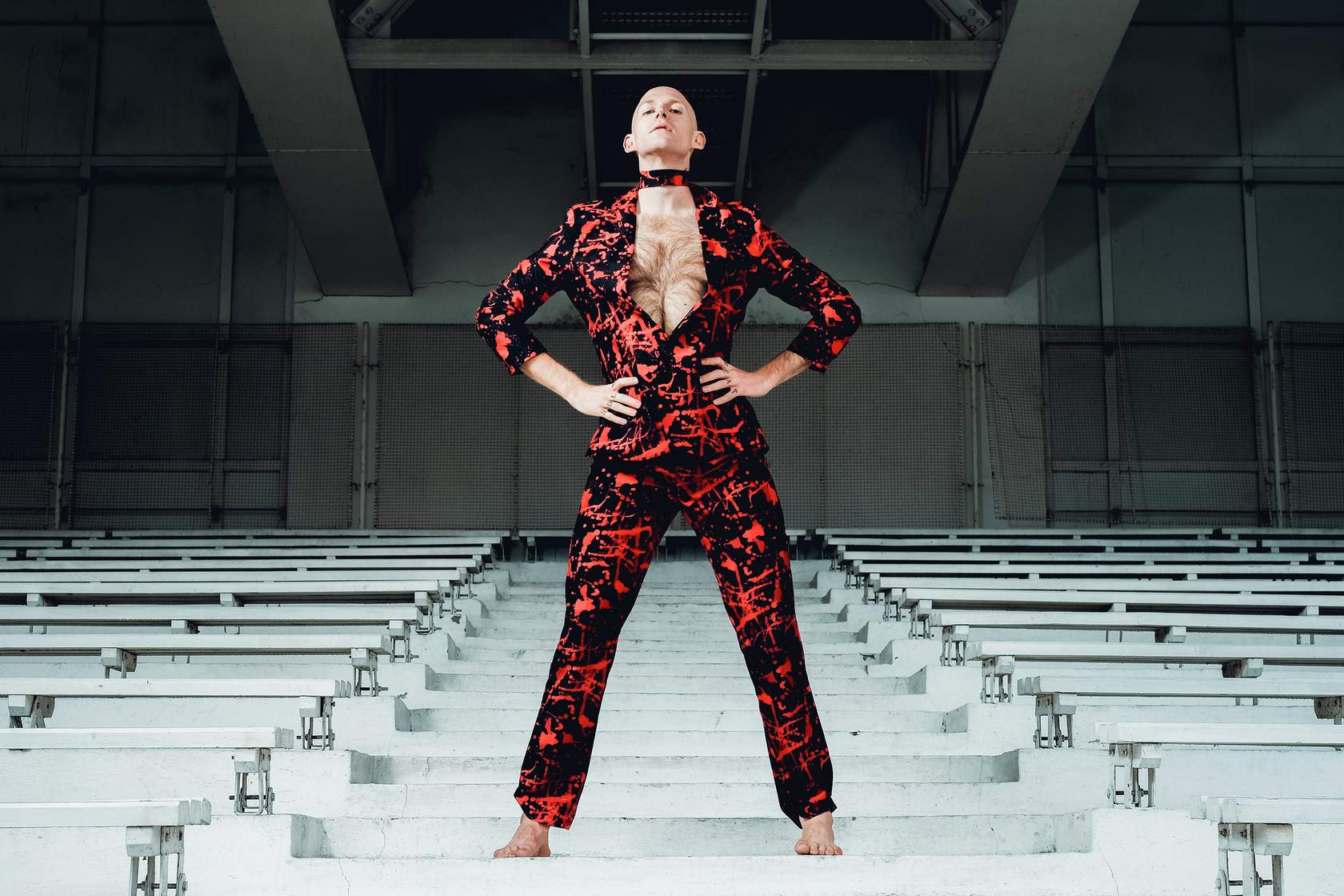
And remember, if you are photographing people, their personal style matters too. Their clothing, posture, expressions, and energy are part of the mise-en-scène. Your job is to recognize and elevate what they are already expressing.
You do not need your style figured out right now. It develops through practice and reflection.
The more intentionally you think about setting, decor, lighting, depth, and aesthetics, the stronger your visual narratives will become.
Not all photography is meant to tell a story.
Sometimes an image is about form, color, or light alone. But in many genres, storytelling is central, and that is where visual narrative comes in. It's the use of visual elements within a single image, or across a series of images, to suggest a story, context, or sequence of events without written explanation.
Photography is one form of visual media. Film, painting, design, and photography all draw from the same visual theories. That means you can borrow ideas across mediums. Studying film can make you a stronger photographer. Looking at painting can sharpen your sense of composition. The tools overlap.
At the core of visual narrative is one principle: show, don’t tell.
A story can be told in a single image or across a series. Both are valid, and both require the same deliberate eye.
Mise-en-scène
You may have heard the term mise-en-scène. It sounds complicated, but it is not.
Mise-en-scène simply means everything visible within the frame. In French, it translates to “putting in the scene.”
If you have heard the culinary term mise-en-place, meaning “put in place,” the idea is similar. Before cooking, everything is organized and intentional. In photography, everything in your frame should serve the story.
When you build a visual narrative, nothing in the frame is accidental.
Click each '+' to learn more.
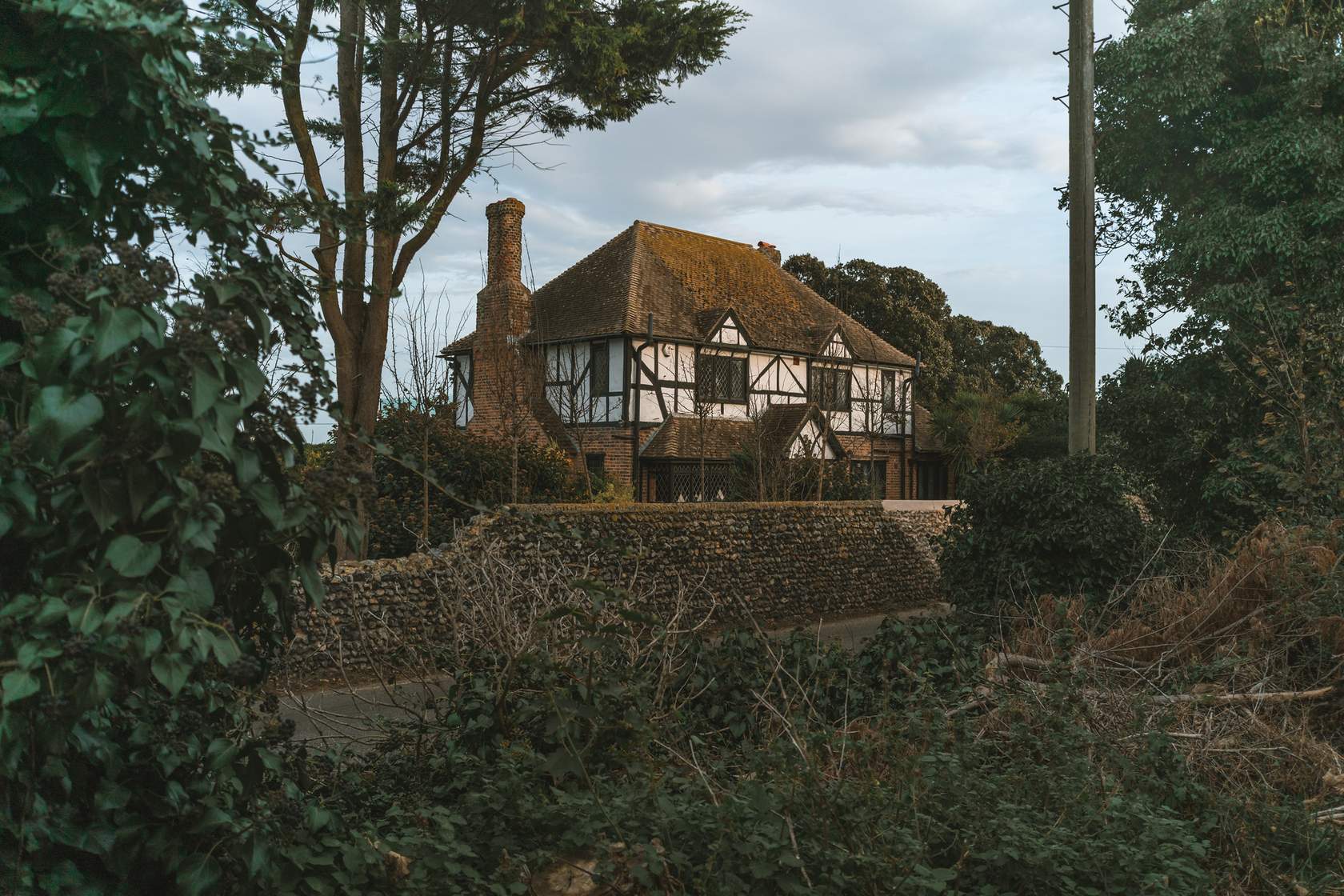
The environment in which the photo is taken, including location, time of day, season, and any contextual clues that tell the viewer where and when the story takes place.
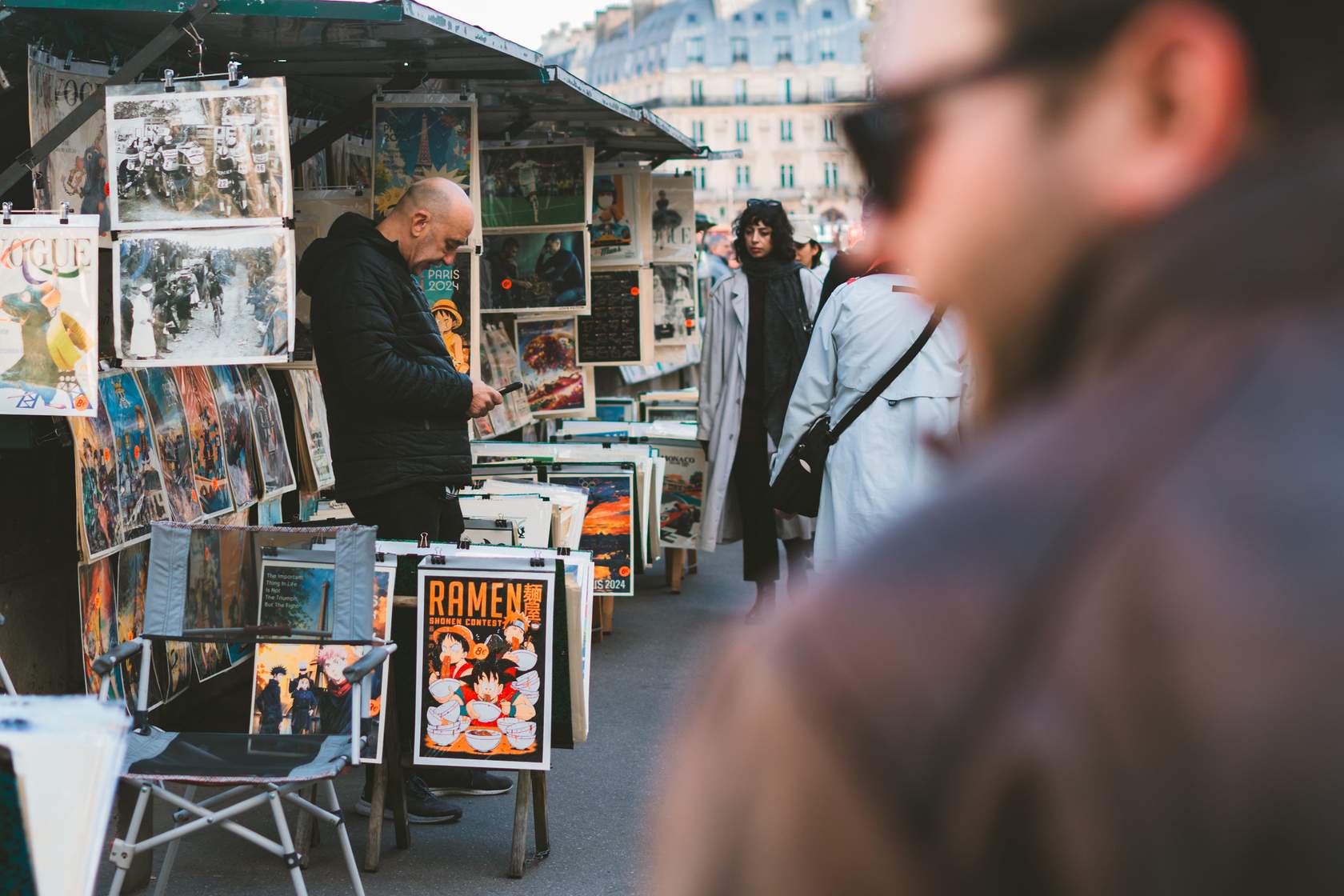
The objects, textures, signage, and details within the frame that add atmosphere and ground the image in a specific time, place, or culture.
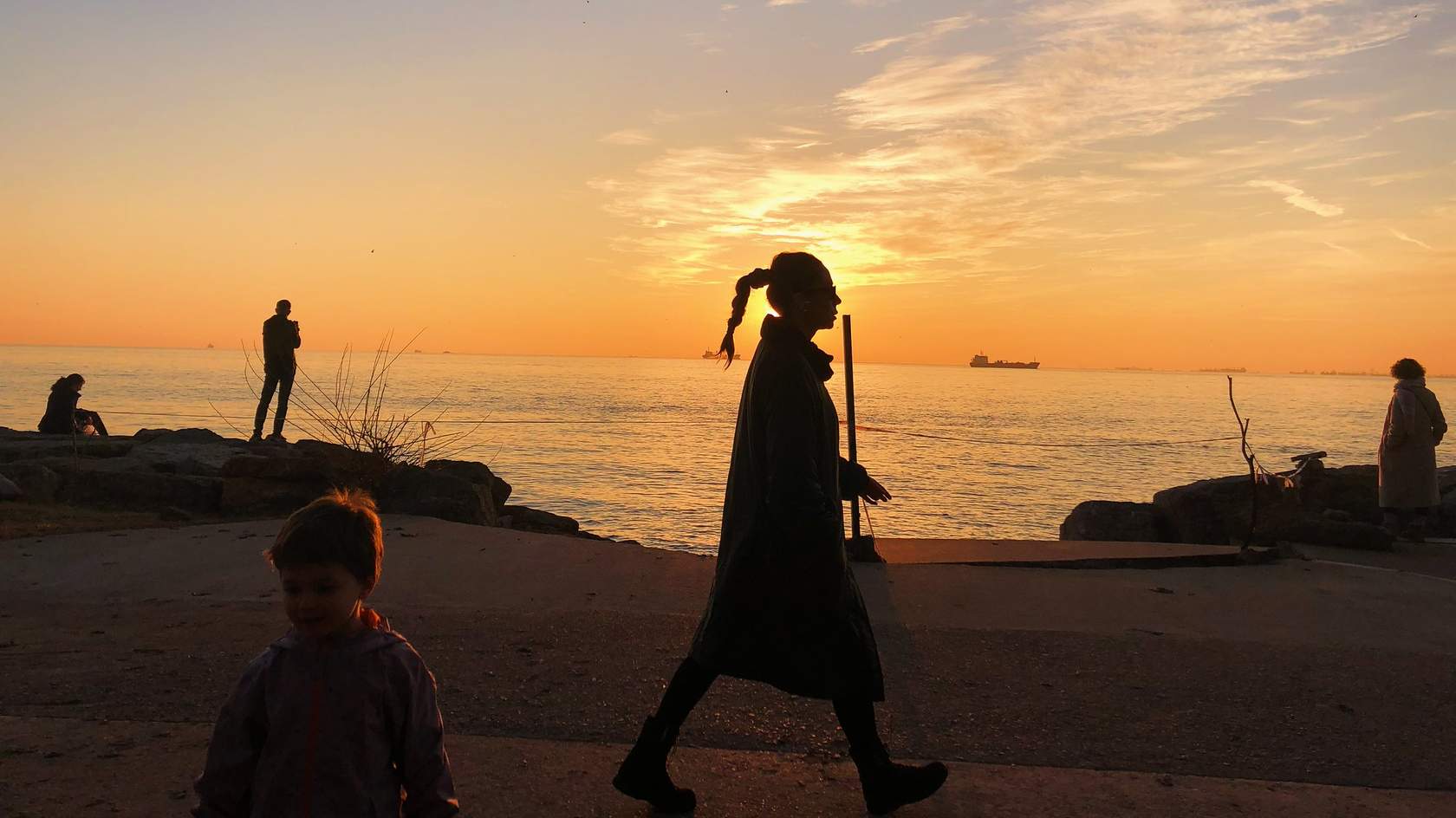
The quality, direction, and tone of light in the scene. Lighting shapes mood faster than almost anything else in an image.
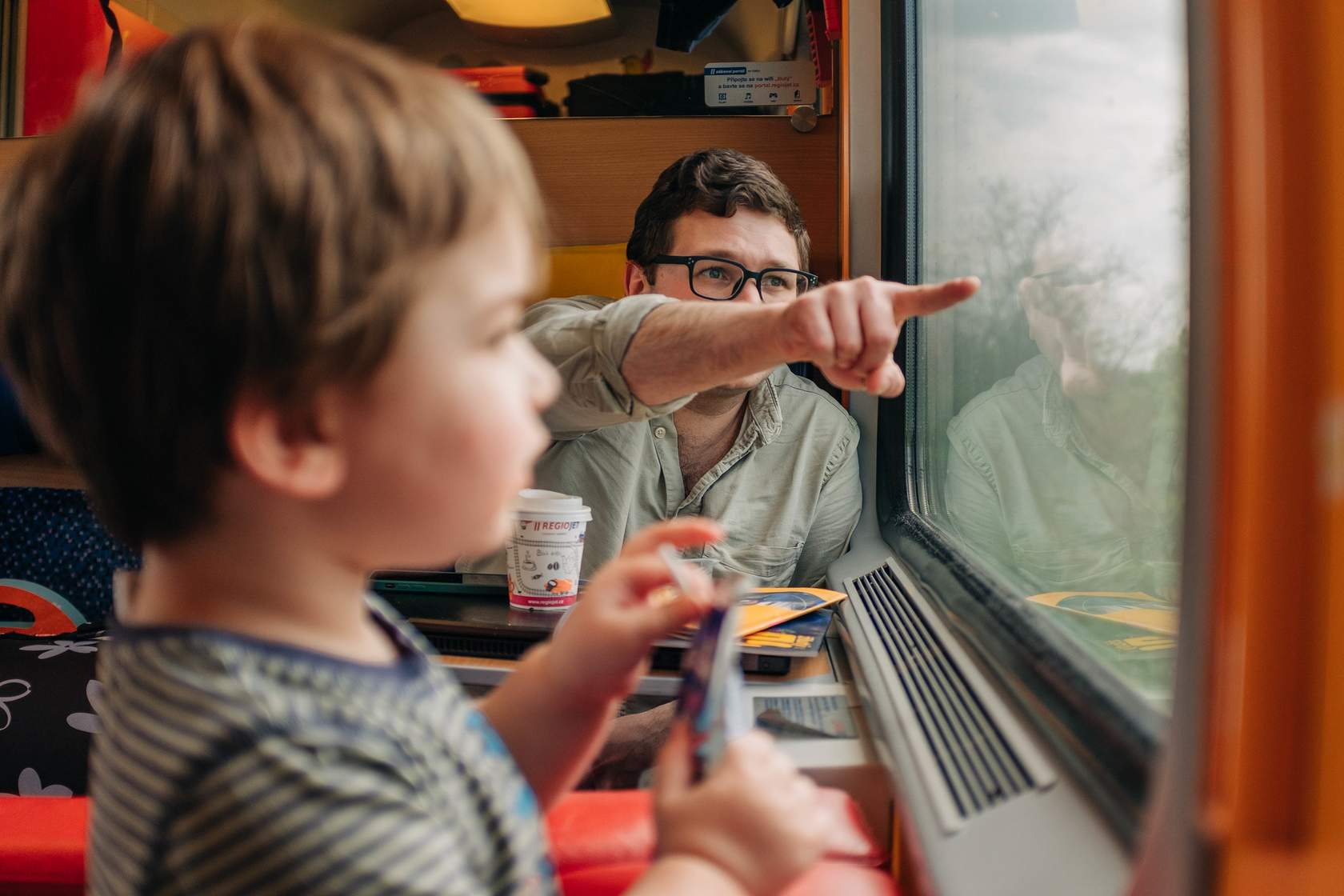
How elements are layered within the frame to create a sense of dimensionality and pull the viewer into the scene.
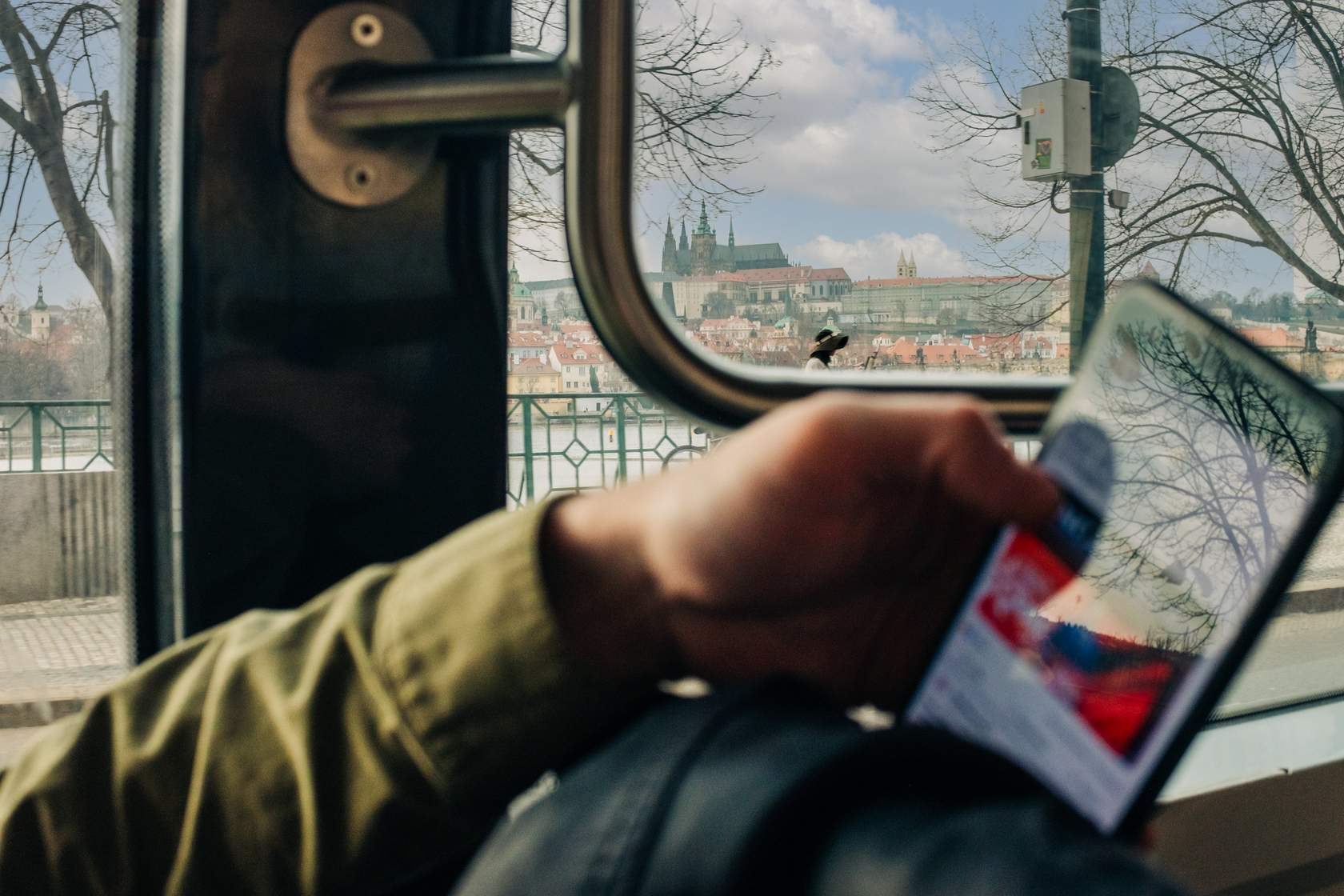
The recurring visual choices that define how a photographer sees and frames the world. Style is not fixed. It develops over time through practice and reflection.
Note: Personal style and aesthetics is an addition to the traditional framework. The fifth element of mise-en-scène in film is typically costume and makeup, but for our purposes, personal style is a more relevant and useful lens.
Let's look at each of these in more detail.
Setting
Setting refers to the environment in which a photo is taken. It includes everything that surrounds the subject.
If you photograph a flower, the setting is not just the flower. It is the garden, the soil, the surrounding landscape, the height of the sun (re: time of day). A portrait in a city street communicates something very different from a portrait in a quiet forest.
Setting answers questions like:
Where is this happening?
When is this happening?
What season, time of day, or cultural context is implied?
Look closely at any image you are analyzing. What clues tell you the location? Are there recognizable landmarks? Language on signage? Clothing styles? Weather conditions? Light quality?
Take a moment to study this photo. What can you deduce about the setting?
After you've made some observations, click on the info buttons below to compare your thoughts.
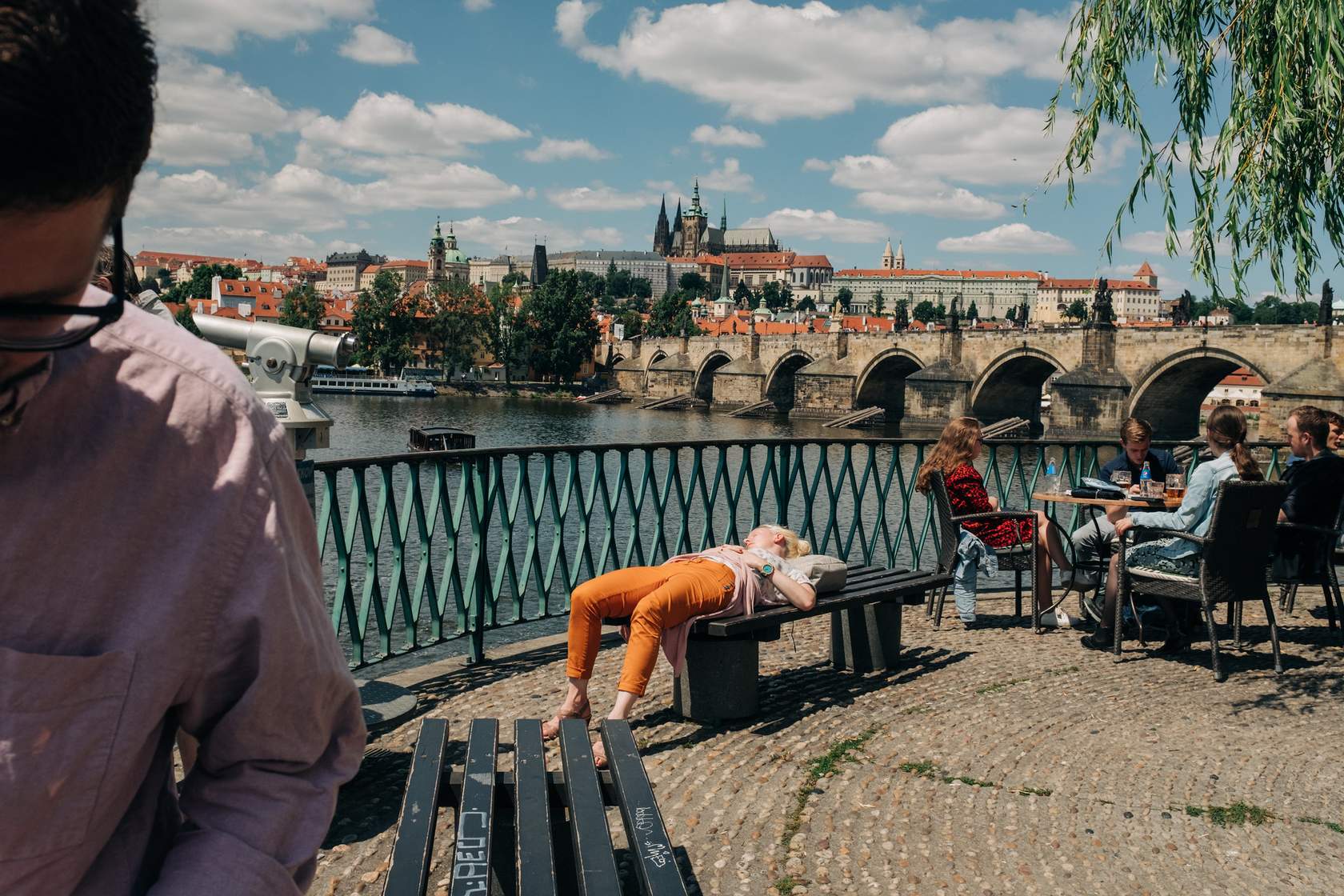
Click each 'i' to learn more.
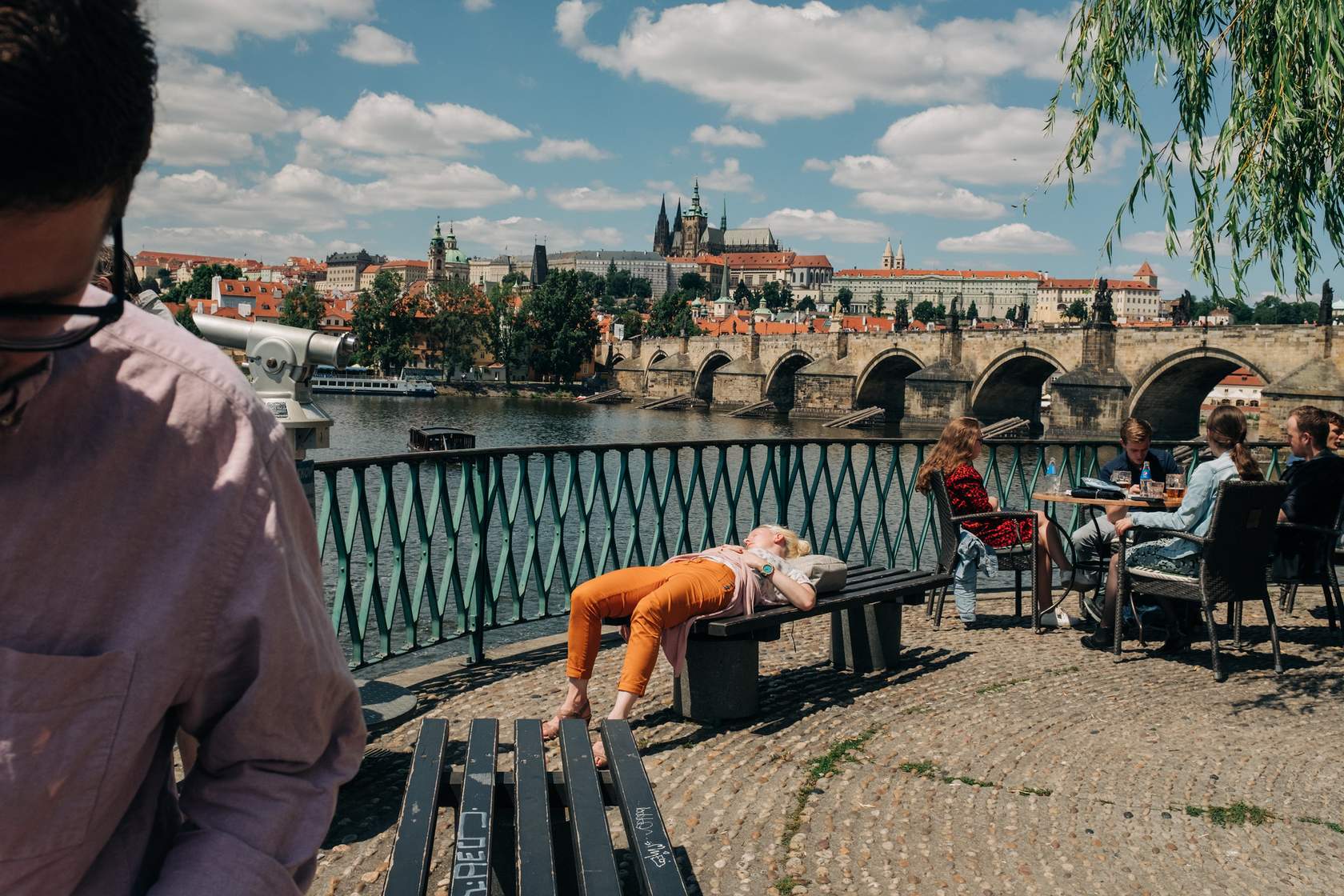
The River
This scene is clearly positioned on a river, a strong indicator of setting.
Recognizable Landmarks
There are two well-known landmarks in the image: The Charles Bridge and Prague Castle.
People
The people visible in the scene are relaxing outdoors, wearing light clothing.
This indicates what time of year it is; late spring or summer.
In this Prague river image, for example, visible landmarks such as Charles Bridge and the church on the hill provide geographic clues. Green trees and strong sunlight suggest summer. The setting immediately frames the narrative before you even focus on a subject.
Decor
Decor refers to the visual elements within the scene that contribute to atmosphere and meaning. These may include furniture, objects, textures, signage, or color palettes.
In a portrait, decor might include a specific backdrop, props, or environmental details that reinforce who the subject is
Decor helps answer questions like:
What objects or details tell us about this place or moment?
What does the environment reveal about the subject?
What time period or culture is suggested?
Take a moment to study this photo. What can you deduce about what's happening from the decor?
After you've made some observations, click on the info buttons below to compare your thoughts.

Click each 'i' to learn more.

Written Language
Look closely at written words. They can paint a clear picture of where in the world the image was taken.
Face Covering
While some wear face coverings all the time, we can make an assumption that this photo was taken during the pandemic where masks were often a requirement.
Equipment
We can deduce that this was taken in a grocery store by the conveyor belt loaded with food.
Taken during early COVID at a grocery store in the Czech Republic. Clues include: the conveyer belt and food (grocery store), text in the posters (Czech language), COVID (face masks and gloves on the attendant).
Decor often carries cultural and temporal information. It grounds the image in reality.
When you look at your own work, ask: are the objects in the frame helping clarify the story, or distracting from it?
Lighting
Lighting shapes mood faster than almost anything else.
Just as a writer uses tone to influence emotion, you use light to guide interpretation.
Harsh light can feel tense, exposed, or hot. Soft light can feel calm or intimate. High contrast may suggest drama. Even lighting may feel neutral or documentary.
Lighting answers questions like:
What mood or emotion does the light create?
What time of day does the light suggest?
Is the light natural or artificial, harsh or soft?
Take a moment to study this photo. What can you deduce about the environment based on lighting alone?
After you've made some observations, click on the info buttons below to compare your thoughts.
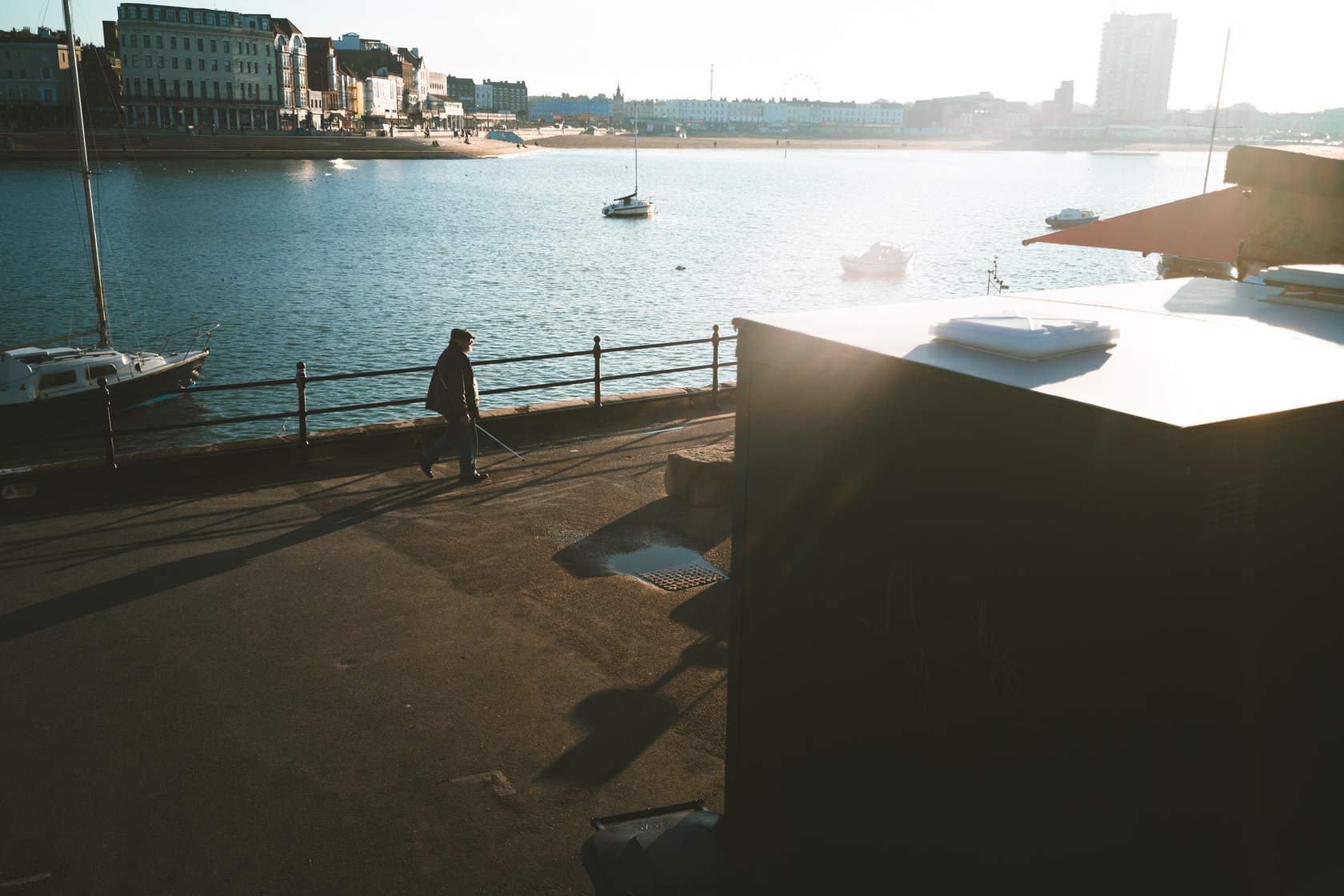
Click each 'i' to learn more.
Highlights
Blown out segments of the frame can show us what direction the sun is coming from and how strongly.
Silhouettes
Harsh light in front of the camera often causes silhouettes. This is a clear indicator of where the light is placed in relation to the camera.
Shadows
Long shadows tell us the direction the light is coming from, and how low it's sitting.
The position of the sun lets us know that it was taken in the later afternoon. Now imagine the same scene photographed at mid-day. The shadows would be shorter and harsher. The mood might feel flatter, more clinical. In early morning light, the atmosphere might feel quiet and reflective.
Depth of Space
When you frame a scene, you are deciding what the viewer experiences. What do they see first? What do they see behind it? What do they not see at all?
Depth of space refers to how elements are layered in the frame to create dimensionality and immersion.
In film, a common technique is the over the shoulder shot. The camera looks past one person to focus on another. This layering makes the viewer feel physically present.
The same applies in photography.
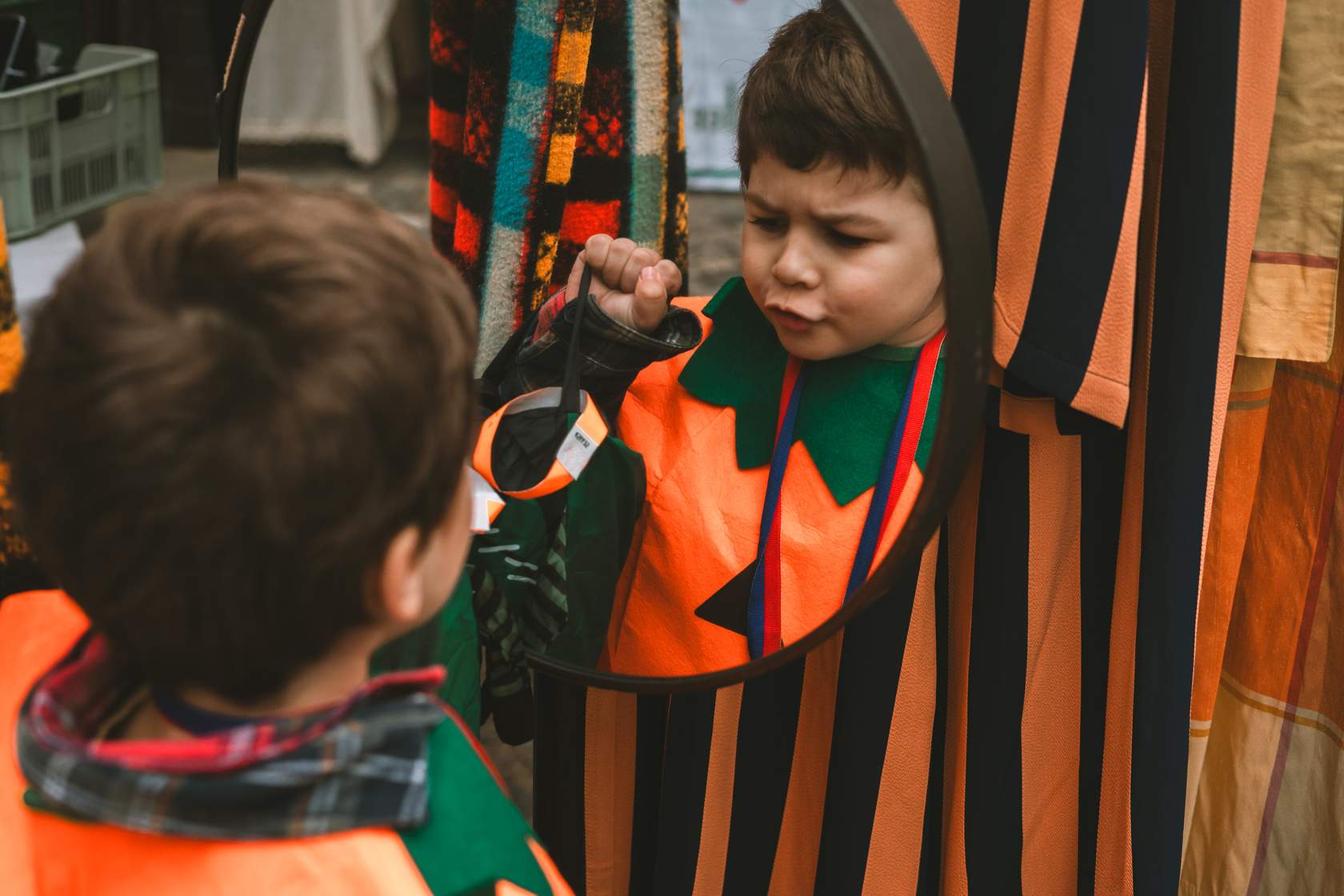
Depth of space helps answer questions like:
What is in the foreground, middle ground, and background?
How does the layering of elements affect how immersive the image feels?
Does the framing make the viewer feel like an observer or a participant?
Take a moment to study this photo. What does the depth tell you or make you feel?
After you've made some observations, click on the info buttons below to compare your thoughts.
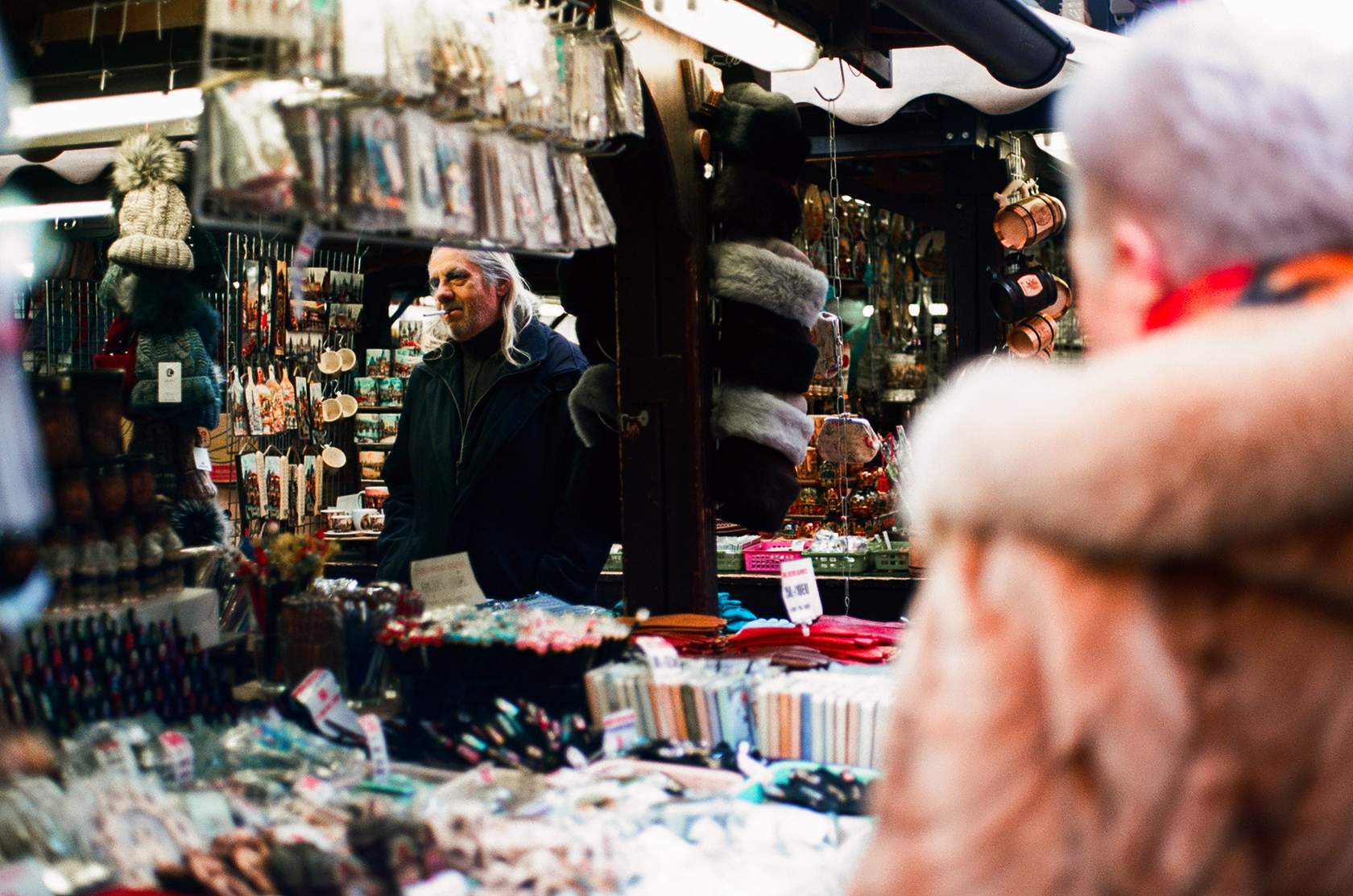
Click each 'i' to learn more.
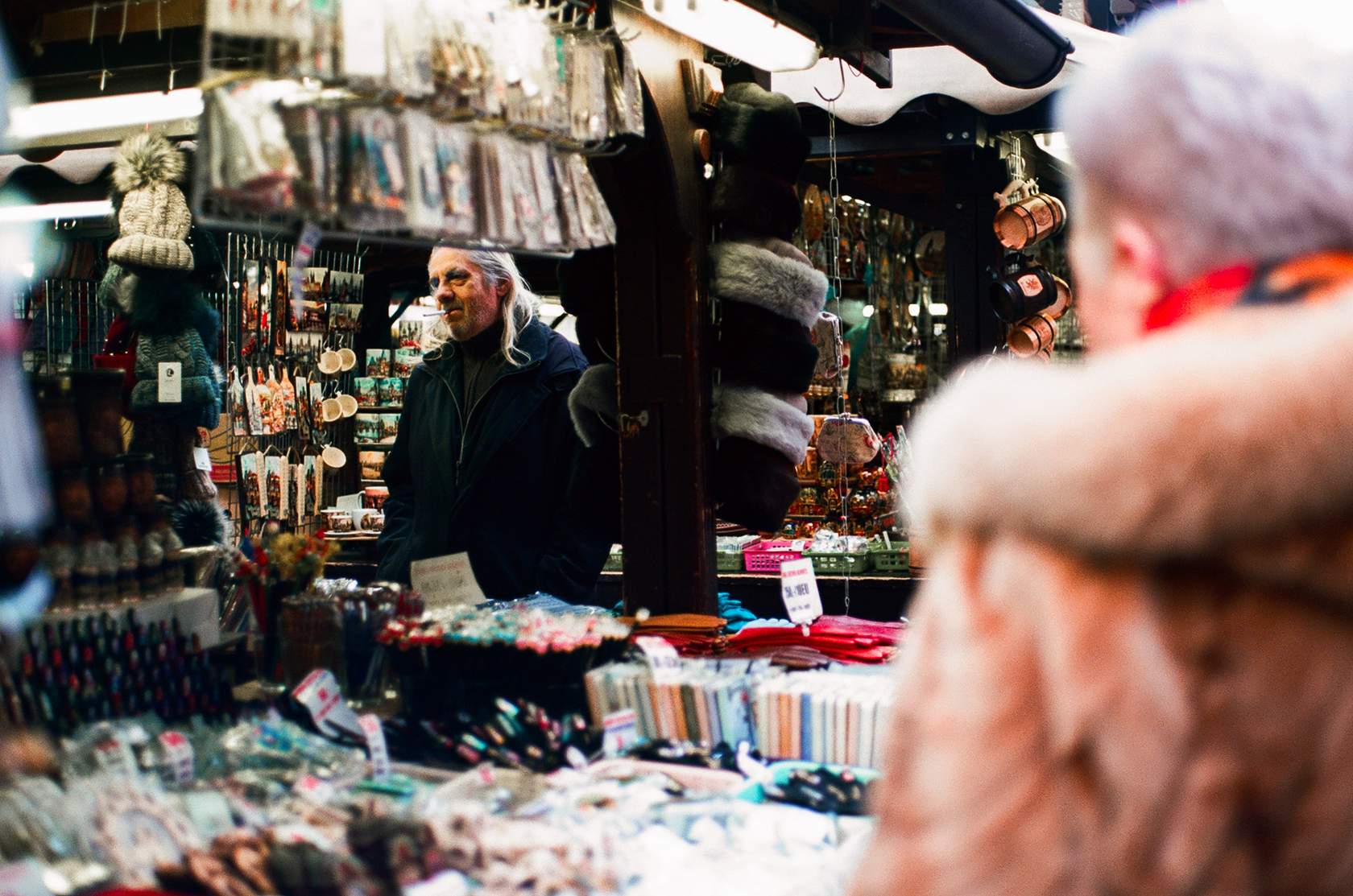
Layering Elements
Multiple layers of objects makes the scne feel crowded and never-ending.
Over the Shoulder
The angle puts you close in the scene, making you feel like a participant as opposed to a viewer.
In the market image, the over the shoulder perspective pulls you into the scene. You are not observing from a distance. You are inside it. The layered figures create a sense of crowd density and activity.
If the image were taken from farther away, the emotional distance would increase. The market might feel less immersive, less immediate.
Layering invites the viewer in.
Personal Style and Aesthetics
It's important to remember that personal style evolves. Don't go out trying to 'create' or 'define' your personal style. Give it time to devlop.
Personal style can feel intimidating. You may wonder if you have one yet.
Personal style and aesthetics help answer questions like:
What recurring choices can you identify in this photographer's work?
How does their approach to light, composition, or subject feel distinct?
What does this image tell you about how the photographer sees the world?
Style is not defined by presets, color grading, or subject matter alone. It emerges over time through repeated choices. The angles you favor. The lighting you seek out. The compositions you return to again and again.
Consider the work of Vincent Van Gogh
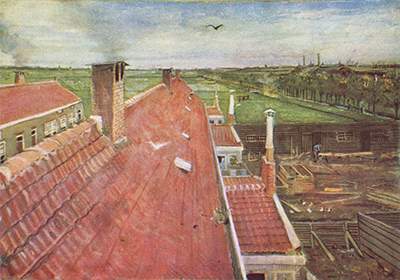
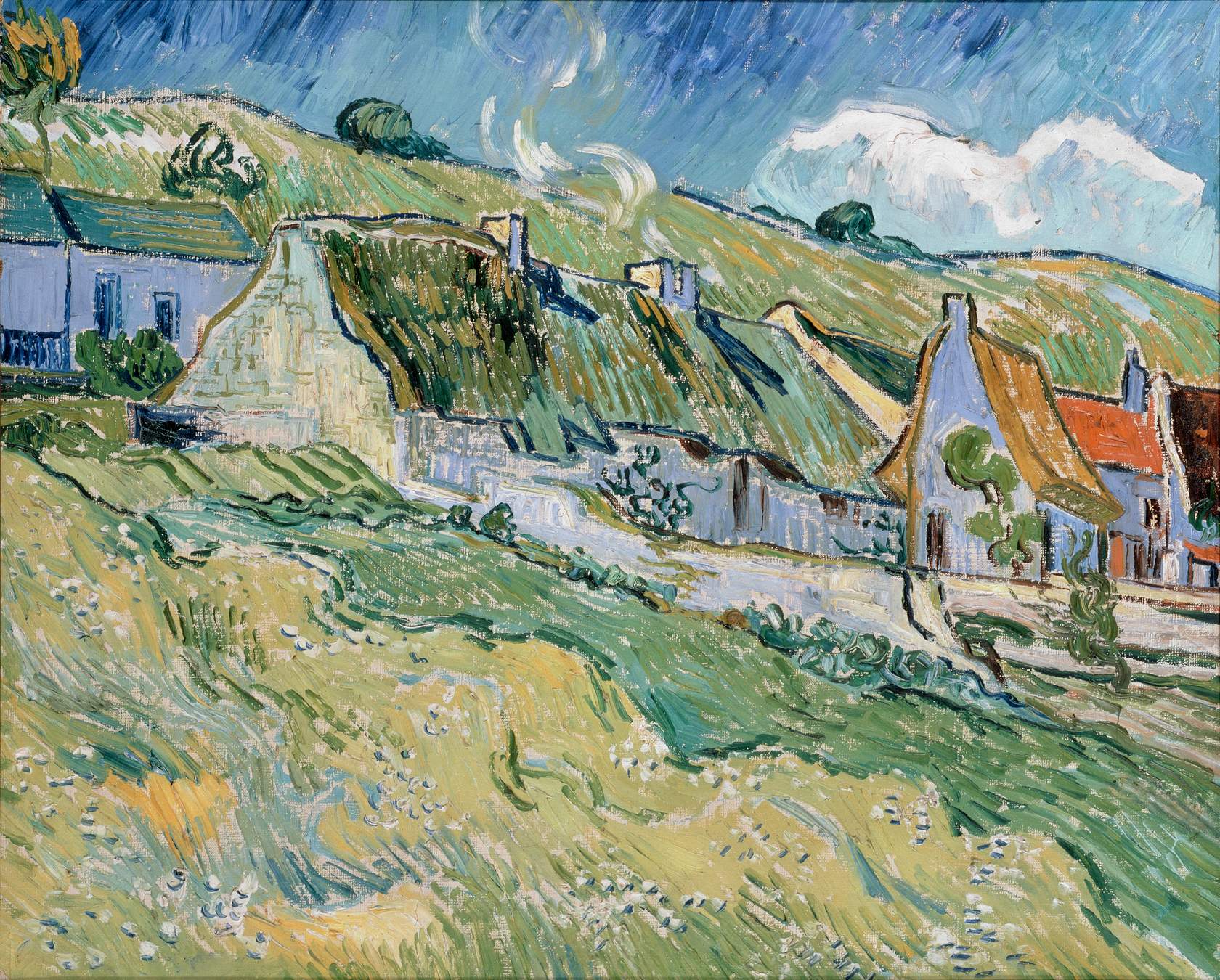
What similarities can you see in this early work to the later one? Look at all his works in succession, do you see an evolution?
His early and later works differ dramatically in technique and color intensity. Yet certain themes, such as architecture and rural life, persist. You can trace growth without losing identity.
(For those interested, you can read more about Van Gogh’s evolution here on My Modern Met.)
Let's now look at the work of Mark Rothko.
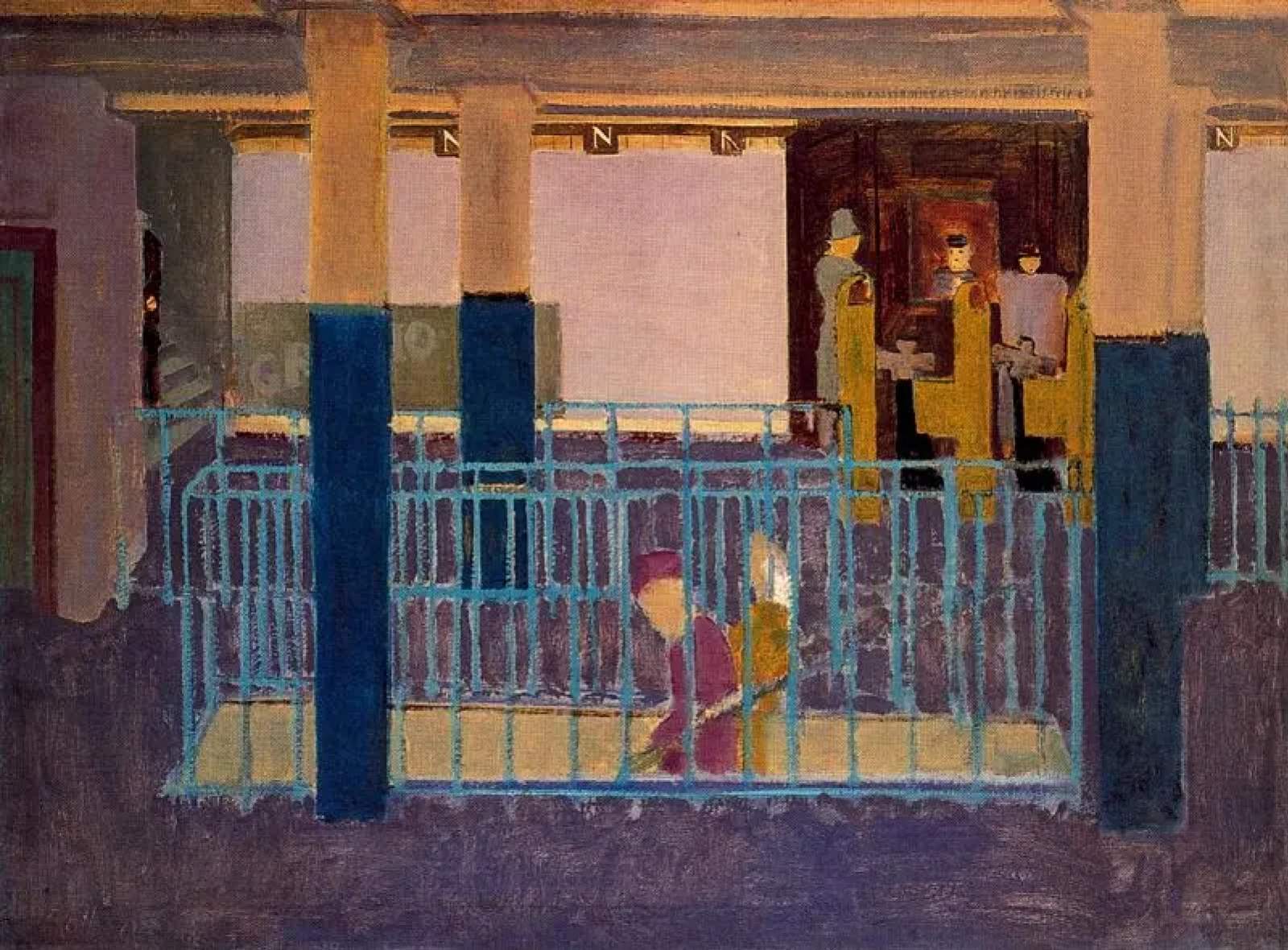
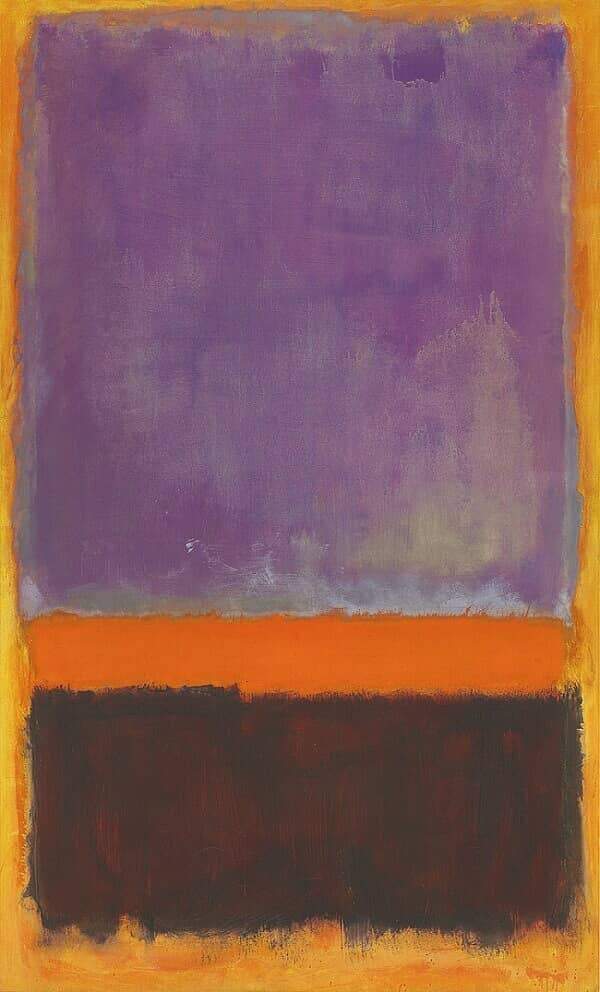
His early figurative work appears very different from his later color field paintings. But look closely at the structural simplification and strong vertical lines in the earlier image. You can see the seeds of what would later define his style.
When analyzing your own work, ask yourself:
Do I favor certain lighting conditions?
Do I often use strong foreground elements?
Do I consistently shoot from a particular perspective?
Patterns reveal themselves over time.
And remember, if you are photographing people, their personal style matters too. Their clothing, posture, expressions, and energy are part of the mise-en-scène. Your job is to recognize and elevate what they are already expressing.
You do not need your style figured out right now. It develops through practice and reflection.
The more intentionally you think about setting, decor, lighting, depth, and aesthetics, the stronger your visual narratives will become.